


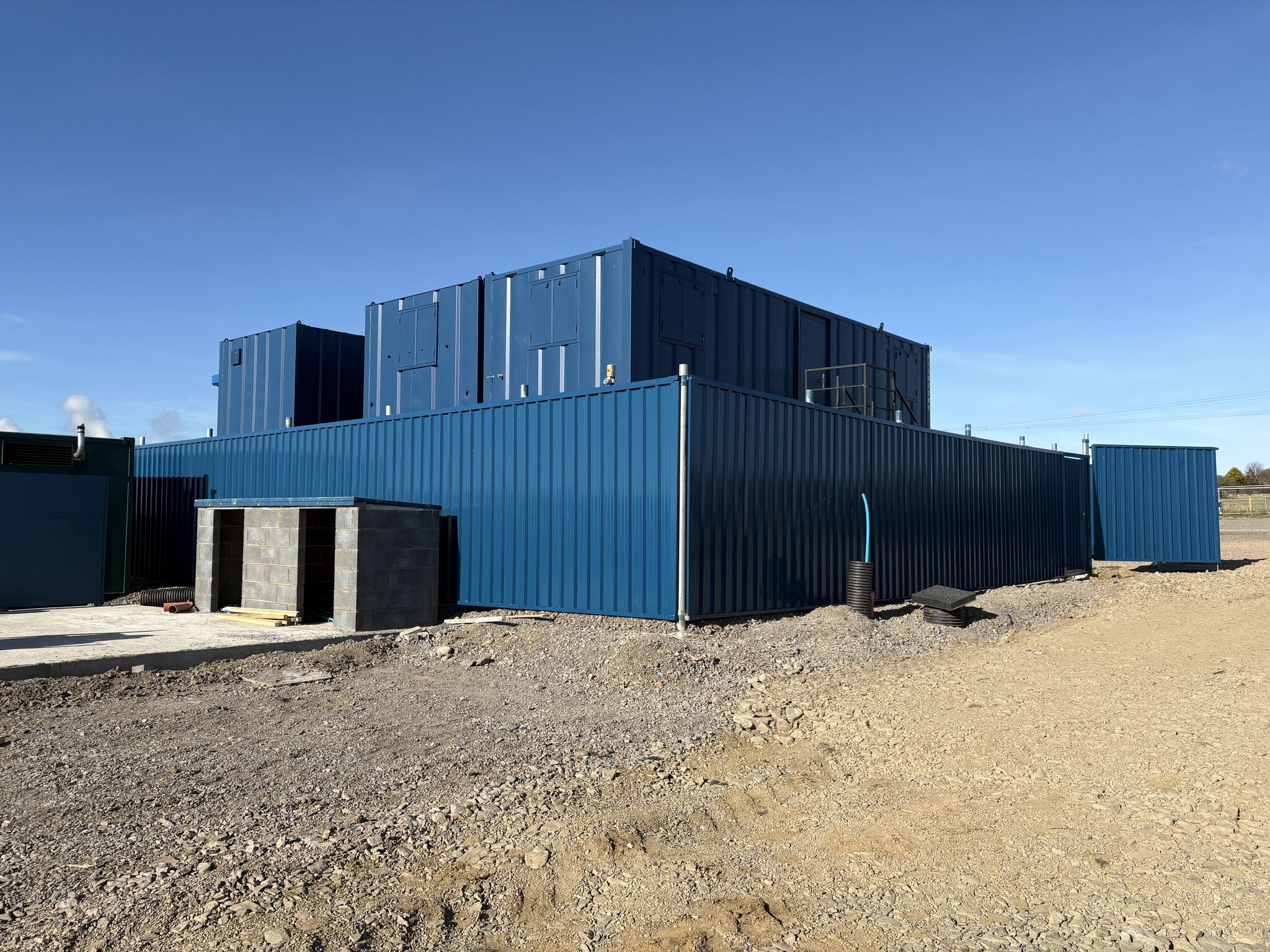
Construction site hoarding requirements are an important part of planning a safe, secure and well-managed site. So, whether you are working on a housing development, commercial build, regeneration scheme or public-facing project, the right hoarding helps define the site boundary, control access, protect the public and support day-to-day site operations.
Construction site hoarding requirements vary depending on the location, project type, level of public access and risks around the site.
When used properly and compliantly, site hoarding should help to:
- Clearly define the construction site boundary
- Reduce the risk of unauthorised access
- Protect workers, visitors and members of the public
- Separate active works from public areas
- Support safe vehicle and pedestrian movement
- Improve site security
- Help control visibility, dust and debris
- Create a more professional appearance around the site
Every project is different, so hoarding requirements should always be considered as part of the wider site setup and risk assessment. At Rethync, we work with contractors, developers and housebuilders to provide practical site hoarding solutions that support safety, security and professional site presentation.
Site Hoarding Requirements For Public Safety
One of the main reasons for installing site hoarding is to protect the public.
Construction sites can present risks from moving vehicles, plant, materials, excavations, falling objects and restricted access areas. A suitable hoarding system helps create a clear separation between the work area and nearby roads, pavements, homes, businesses or public spaces.
This is particularly important on sites in busy locations, including residential developments, town centres, schools, healthcare settings and areas with regular pedestrian traffic.
A strong, well-planned hoarding boundary helps contractors manage site access and reduce the risk of people entering areas where they should not be.
Hoarding Height Requirements
There is no single hoarding height that is suitable for every construction site.
The right height will depend on the site location, surrounding environment, security needs, public access routes and the nature of the work being carried out. Many construction sites use hoarding around 2 metres or above, with taller solutions often considered for higher-risk sites, public-facing projects or areas where additional privacy and protection are required.
When choosing the height of your hoarding, consider:
- How close the site is to the public
- Whether children or vulnerable people may be nearby
- Whether the site needs added privacy
- The risk of unauthorised access
- The need to contain dust, debris or visual disruption
- Wind exposure and ground conditions
- Whether the hoarding will support signage or branding
The aim is to choose a hoarding solution that is suitable for the specific risks and requirements of the site.
Site Security and Access Control
Site hoarding requirements are not just about height. Security and access control are also key considerations.
A suitable hoarding system should help prevent unauthorised access and protect materials, tools, machinery and equipment. Secure gates, controlled entry points and clear site signage can all support a safer and more organised construction environment.
For larger developments or busy sites, it is important to think about how vehicles, pedestrians, contractors and visitors will enter and leave the site safely.
Rethync can support projects with hoarding and site gate solutions designed to create a strong, practical and professional site perimeter.
Temporary Hoarding Considerations
Site hoarding is often treated as part of temporary works, which means it should be properly planned, installed and maintained throughout the project.
Temporary works considerations may include:
- Ground conditions
- Wind loading
- Hoarding height and layout
- Fixing method
- Vehicle and pedestrian gates
- Site access points
- Public highways and pavements
- Project duration
- Exposure to weather
- Inspection and maintenance requirements
Where required, temporary works calculations can help confirm that the hoarding system is suitable for the site conditions and intended use.
Hoarding on or Near Public Highways
If hoarding is installed on or close to a public highway, pavement or road, additional permissions may be needed from the local authority.
This can include approval for the hoarding layout, pedestrian access, lighting, signage, public liability insurance and how the installation will affect surrounding roads or footpaths.
Contractors should check local authority requirements before installing hoarding in public-facing areas.
Why Work With Rethync?
Rethync provides practical hoarding and fencing solutions for construction sites across a wide range of sectors.
Our team understands the importance of creating a site boundary that works in the real world. That means considering access, security, safety, installation, durability and presentation from the start.
Whether you need steel hoarding for a housing development, a secure perimeter for a commercial site or support with temporary works calculations, Rethync can help you choose a solution that fits your project.
To discuss your site hoarding requirements, contact the Rethync team today.
Building Site Hoarding Requirements – FAQs
What Is the Recommended Height for Building Site Hoarding?
The standard height for building site hoarding is typically 2.4 meters, which provides a barrier to protect workers and contain dust and debris. However, hoarding height regulations can vary depending on the site location and project scope. For instance, urban areas or sites near residential properties may require taller hoarding to prevent noise, dust, and debris from affecting nearby buildings. Therefore, it is crucial to ensure your hoarding height complies with local regulations to avoid legal issues and maintain safety.
What are Building Site Hoarding Height Regulations in the UK?
In the UK, hoarding height regulations set out minimum heights, generally around 2.4 meters, to ensure safety. The Health and Safety Executive (HSE) enforces these regulations. However, sites near high-traffic areas or residential properties may require taller hoarding. Additionally, local regulations may dictate specific height requirements based on factors such as location and the nature of the construction. As a result, adhering to safety hoarding height requirements ensures compliance, protects workers, and safeguards the public.
Why does Hoarding Height Matter?
The height of your building site hoarding is essential for safety and security. A properly designed hoarding provides a barrier against falling debris and unauthorised access, which helps prevent accidents. Furthermore, it helps control dust and noise, particularly in urban areas. Complying with hoarding height regulations ensures that your site remains secure, minimises risks, and maintains the safety of workers and the public.
Ensure Proper Height Compliance for Your Hoarding
To stay compliant, always follow hoarding height regulations. Regularly inspect your hoarding to ensure it meets construction site hoarding height standards and safety hoarding height requirements. If adjustments are necessary, make them promptly to ensure ongoing compliance.
By adhering to hoarding height regulations, you can create a safer, more secure construction site while minimising disruptions to the surrounding community. For reliable and compliant hoarding solutions, choose Rethync. We specialise in providing hoarding systems that fully meet all regulations, ensuring the safety and security of your site. Contact us today to discuss your next project.