


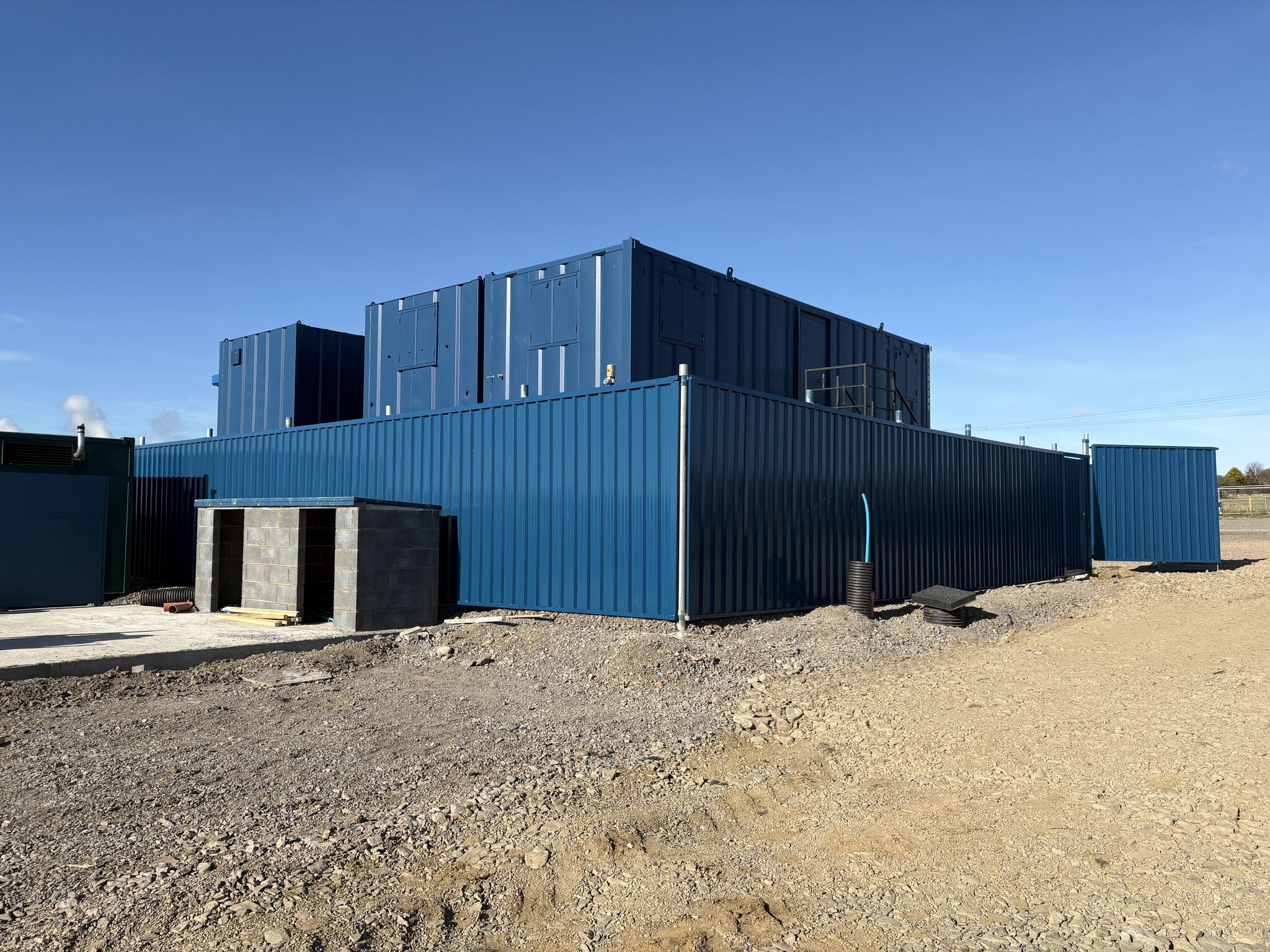
Building site hoarding height plays a critical role in maintaining safety, security, and compliance on construction sites. Whether you’re planning a new construction project or a renovation, understanding the hoarding height regulations in the UK is essential. Proper hoarding height ensures that construction sites are secure, protect workers and the public, and help control environmental impacts.
In this blog, we will explore construction site hoarding height standards, hoarding height guidelines, and safety hoarding height requirements to ensure your project complies with legal and safety standards.
What Is the Recommended Height for Building Site Hoarding?
The standard height for building site hoarding is typically 2.4 meters, which provides a barrier to protect workers and contain dust and debris. However, hoarding height regulationscan vary depending on the site location and project scope. For instance, urban areas or sites near residential properties may require taller hoarding to prevent noise, dust, and debris from affecting nearby buildings. Therefore, it is crucial to ensure your hoarding height complies with local regulations to avoid legal issues and maintain safety.
Building Site Hoarding Height Regulations in the UK
In the UK, hoarding height regulationsset out minimum heights, generally around 2.4 meters, to ensure safety. The Health and Safety Executive (HSE) enforces these regulations. However, sites near high-traffic areas or residential properties may require taller hoarding. Additionally, local regulations may dictate specific height requirements based on factors such as location and the nature of the construction. As a result, adhering to safety hoarding height requirements ensures compliance, protects workers, and safeguards the public.
Why Hoarding Height Matters
The height of your building site hoarding is essential for safety and security. A properly designed hoarding provides a barrier against falling debris and unauthorised access, which helps prevent accidents. Furthermore, it helps control dust and noise, particularly in urban areas. Complying with hoarding height regulations ensures that your site remains secure, minimises risks, and maintains the safety of workers and the public.
How to Choose the Right Height for Your Site Hoarding
When selecting the appropriate hoarding height, several factors need to be considered. For example, residential projects may need taller hoarding to protect privacy, while commercial projects may prioritise noise control and safety. Additionally, temporary hoarding may not require the same height standards as permanent structures. To ensure compliance, always check hoarding height regulations and adjust the height based on your site’s specific needs.
Common Mistakes to Avoid
Choosing the wrong hoarding height can lead to non-compliance and safety risks. For instance, if the hoarding is too low, it may not offer sufficient protection for workers or the public. On the other hand, if the hoarding is too high, it may result in unnecessary costs or permit issues. Therefore, it’s important to assess the project’s requirements carefully and consult with experts to avoid these mistakes.
Ensure Proper Height Compliance for Your Hoarding
To stay compliant, always follow hoarding height regulations. Regularly inspect your hoarding to ensure it meets construction site hoarding height standards and safety hoarding height requirements. If adjustments are necessary, make them promptly to ensure ongoing compliance.
By adhering to hoarding height regulations, you can create a safer, more secure construction site while minimising disruptions to the surrounding community. For reliable and compliant hoarding solutions, choose Rethync. We specialise in providing hoarding systems that fully meet all regulations, ensuring the safety and security of your site. Contact us today to discuss your next project.