


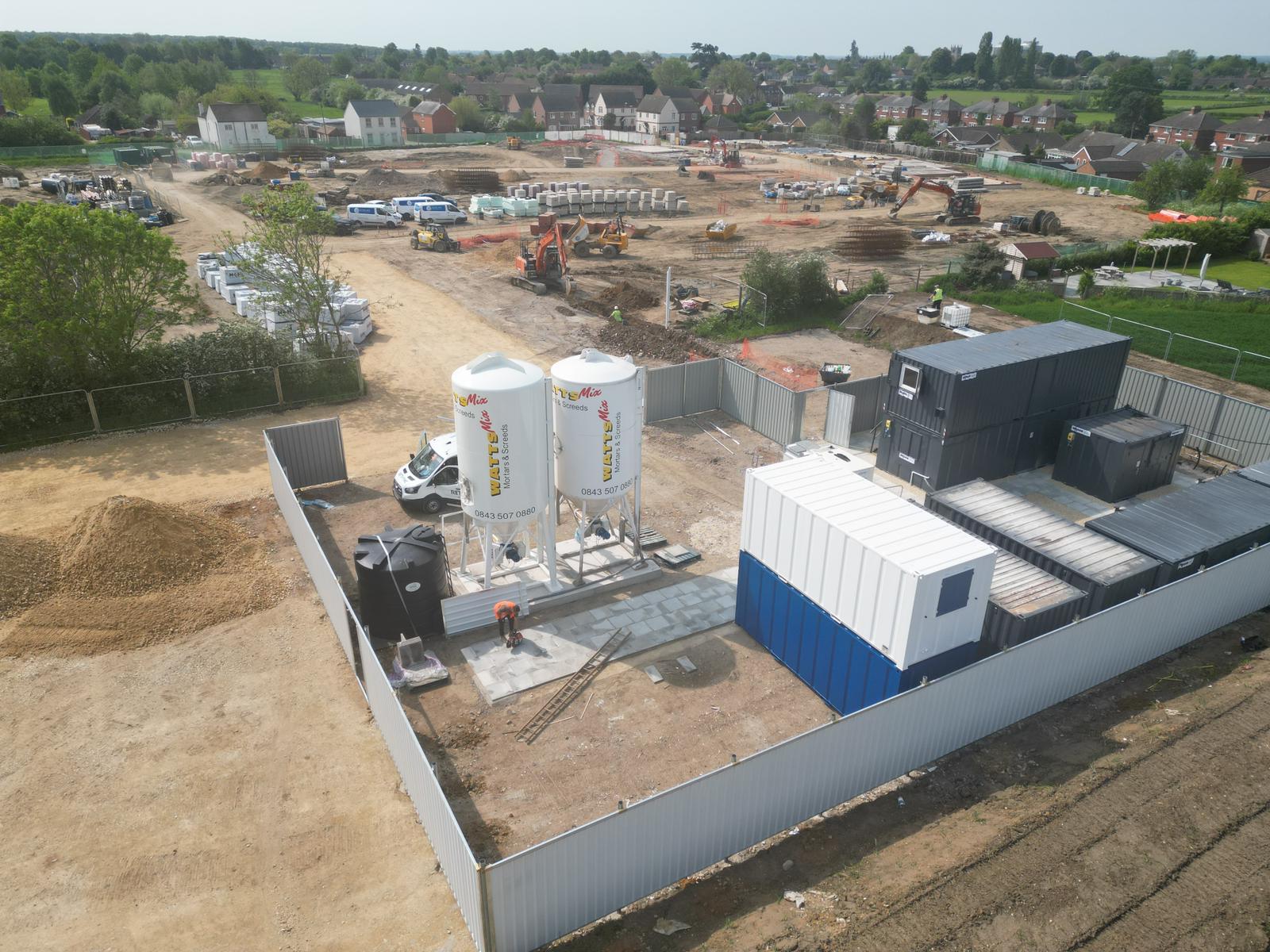
Selecting the right types of hoarding in construction sites is crucial for safety, security, and compliance throughout your construction project. The right choice not only meets legal requirements but also provides essential protection for workers, the public, and the surrounding environment. Whether you are looking to protect nearby pedestrians in the area, secure the perimeter against theft of equipment or improve protection against weather conditions, hoarding can help you maintain a safe and compliant construction site
Rethync are trusted construction partners who specialise in secure and high-quality fencing, gates and hoarding for construction sites across the UK. Our team work with you to understand you project size, time line, environment and other needs to offer our expert advice on how to make the right choice for you.
Keep reading to learn more about the different types of hoarding, their key factors and suitability to environment. If you have a up coming project, we are here to help. To discuss hoarding solutions, contact Rethync today and let us support the success of your next construction project.
Different Types Hoarding in Construction Sites
Choosing the right type of site hoarding depends on the project, location, security requirements and the overall appearance you want to achieve. While every site is different, the main options usually include metal hoarding, timber hoarding and mesh fencing, each offering its own strengths and applications.
1. Metal Hoarding Types
Metal hoarding is a strong, durable and professional option for construction sites, regeneration projects and long-term developments. It offers excellent site security, helps protect the public, and creates a clean, consistent boundary around the working area.
One of the key strengths of metal hoarding is its reusability. Unlike some temporary solutions, steel hoarding can be used across multiple projects, making it a more sustainable and cost-effective option over time. It also provides a high-quality finish, which is particularly useful on sites where presentation matters, such as city centre schemes, residential developments and projects in high-footfall areas.
Metal hoarding is ideal for projects that need:
- Strong perimeter security
- A professional site appearance
- Long-term durability
- Reusable and sustainable hoarding
- Branding, signage or printed panel options
2. Timber Hoarding Types
Timber hoarding is a traditional and widely used option for construction sites. It provides a solid boundary, helps screen off the working area and can be adapted to suit different site layouts.
Its main strength is flexibility. Timber hoarding can be built to different heights and specifications, making it suitable for a range of projects. It can also be painted or branded to improve the site’s appearance.
However, timber hoarding may require more maintenance over time, particularly on longer projects or exposed sites. It is often best suited to shorter-term works, lower-risk areas or projects where a bespoke built solution is required.
Timber hoarding is commonly used for:
- General construction site boundaries
- Short to medium-term projects
- Sites needing a flexible hoarding layout
- Areas where a solid visual screen is required
3. Mesh Hoarding Types
Mesh fencing is a lightweight and practical option for sites where visibility, quick installation and temporary access control are important. It is often used on shorter-term projects, low-risk areas, events, compounds or sections of a site that need to remain visible.
The main benefit of mesh fencing is speed and flexibility. It can be installed, moved and reconfigured quickly as a project develops. Because it allows visibility through the boundary, it can also be useful where monitoring, airflow or light access is important.
While mesh fencing is practical, it does not offer the same level of screening, security or visual finish as solid hoarding. For this reason, it is often used alongside other hoarding solutions or in areas where a full solid boundary is not required.
Mesh fencing is best suited to:
- Temporary site boundaries
- Short-term works
- Low-risk construction areas
- Events and compounds
- Sites requiring flexible access and visibility
Hoarding and Fencing Compliance in UK Construction
Choosing the right type of hoarding for you project needs in not only about ensuring smooth construction and security for your site, it is also an important factor in establishing compliance with current UK regulations. Under current UK guidance, site boundaries should be clearly defined, with suitable fencing or hoarding used to prevent unauthorised access and protect the public.
As stated by HSE, contractors should plan what form the perimeter will take, provide and maintain fencing and manage site access throughout construction.
Hoarding should be suitable for the location, site risks, public access routes, weather exposure and project duration. It should also be installed correctly, inspected regularly and maintained throughout the works.
Where hoarding is placed on or next to a public highway, pavement or road, a local authority licence will usually be required before installation.
The right hoarding solution helps contractors support site safety, protect the public and keep the project boundary secure from start to finish. If you have questions on how to adhere to compliance regulations, our team are on hand to offer advice and guidance to protect the public and your workers.
Factors to Consider When Choosing Hoarding in Construction Sites
When selecting hoarding for your construction project, keep the following factors in mind:
- Project Size and Scope: Larger projects typically require more secure and durable hoarding. For expansive sites, you may need taller fences or materials with added strength.
- Budget Constraints: The cost of building site hoarding can vary. Different types of hoarding come with different price points, so it’s essential to align the choice with your budget.
- Duration of the Project: Long-term projects may benefit from investing in more durable hoarding, saving you money on repairs and replacements over time.
- Security and Privacy Needs: Projects with sensitive work or in high-risk areas may require higher security hoarding to protect against theft or unauthorised access.
- Site Location (Urban vs Rural): For urban sites, you may need taller or soundproof hoarding to mitigate noise and pollution. Rural sites generally don’t require as robust a barrier.
Choosing the Right Construction Hoarding Supplier
Selecting a reliable site hoarding supplier is key to getting quality, compliant hoarding solutions. Here are a few things to consider:
- Certifications: Ensure that your hoarding supplier is certified and complies with industry standards. Rethync provides hoarding systems that meet all safety and environmental regulations.
- Reputation and Experience: Look for a supplier with a proven track record of delivering high-quality hoarding solutions. A reputable supplier, like Rethync, will help you choose the best hoarding system for your site’s specific needs.
Understanding The Cost of Different Types of Hoarding in Construction Sites
The cost of building site hoarding can vary based on the type you choose. Here’s a breakdown of typical costs:
- Mesh hoarding: This is the most cost-effective option, especially for projects requiring visibility.
- Solid hoarding: Offers better security and privacy but comes at a higher cost. It has a longer lifespan, making it a cost-effective option in the long run.
- Eco-friendly options: These may have higher initial costs but provide long-term savings by reducing waste and supporting sustainability.
When planning your budget, be aware of additional costs such as installation, permits, and ongoing maintenance. Professional installation and site preparation might add to the total cost.
Choosing the best building site hoarding is a crucial decision that affects safety, security, and the overall success of your construction project. Be sure to consider the type of hoarding, project size, budget, and environmental impact when making your selection. Working with experienced site hoarding suppliers, like Rethync, will help you make an informed decision and ensure that your hoarding needs are met sustainably and efficiently.
At Rethync, we specialise in providing high-quality, hoarding solutions that meet all safety and regulatory standards. Our expert team is ready to guide you through the process, helping you select the perfect hoarding system for your project. For sustainable and compliant hoarding solutions, contact Rethync today and let us support the success of your next construction project.